SaaS engineering
Designing reliable webhooks with retries and idempotency
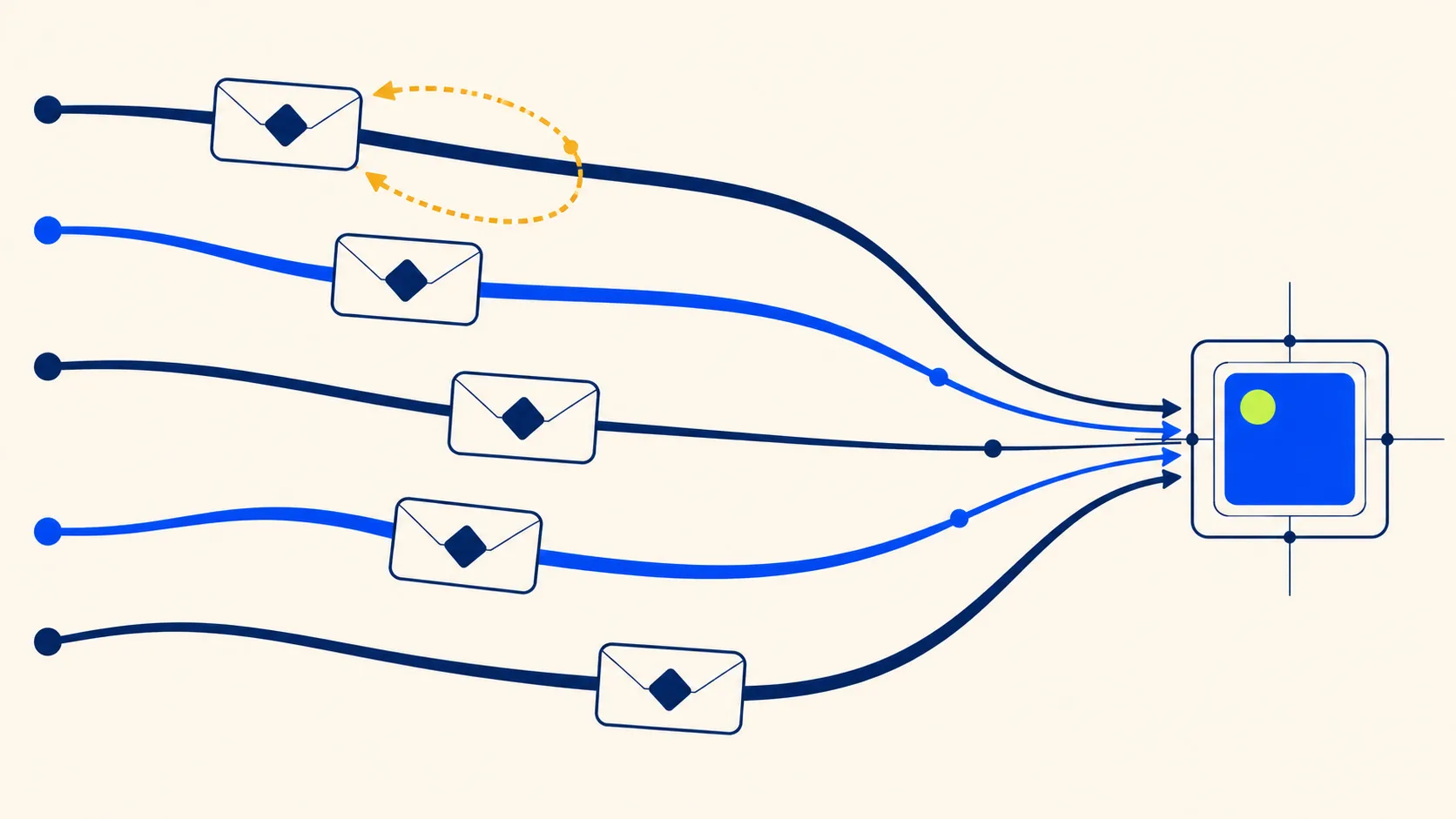
Build a recoverable webhook flow with a clear transaction boundary, then apply it to invoice credits and a proposed feedback-alert integration.

Read about feedback, product updates, and working with agents to build a SaaS.
A feed reader brings the blogs you follow together in one place. Add the address below to your reader: it will check for new articles in English using RSS.
Build a recoverable webhook flow with a clear transaction boundary, then apply it to invoice credits and a proposed feedback-alert integration.
The score rose 24 points, but neither customer segment improved. A worked example explains why the audience behind your NPS matters.
A recurring review can keep old feedback decisions visible and catch shipped improvements that still need an announcement. Here is a bounded workflow to try with ChatGPT dots and Sinalio.
A customer saves October 2 and sees October 1. A fictional project tool reveals how a calendar date acquires an unwanted midnight, and what to test before fixing it.
The update sounds useful. Then a customer tries to use it. A worked CSV-export example shows where an announcement ends and a help article earns its place.
Use AI with Sinalio to review feedback, prepare product decisions, and write updates users understand. Includes MCP prompts and the manual dashboard workflow.
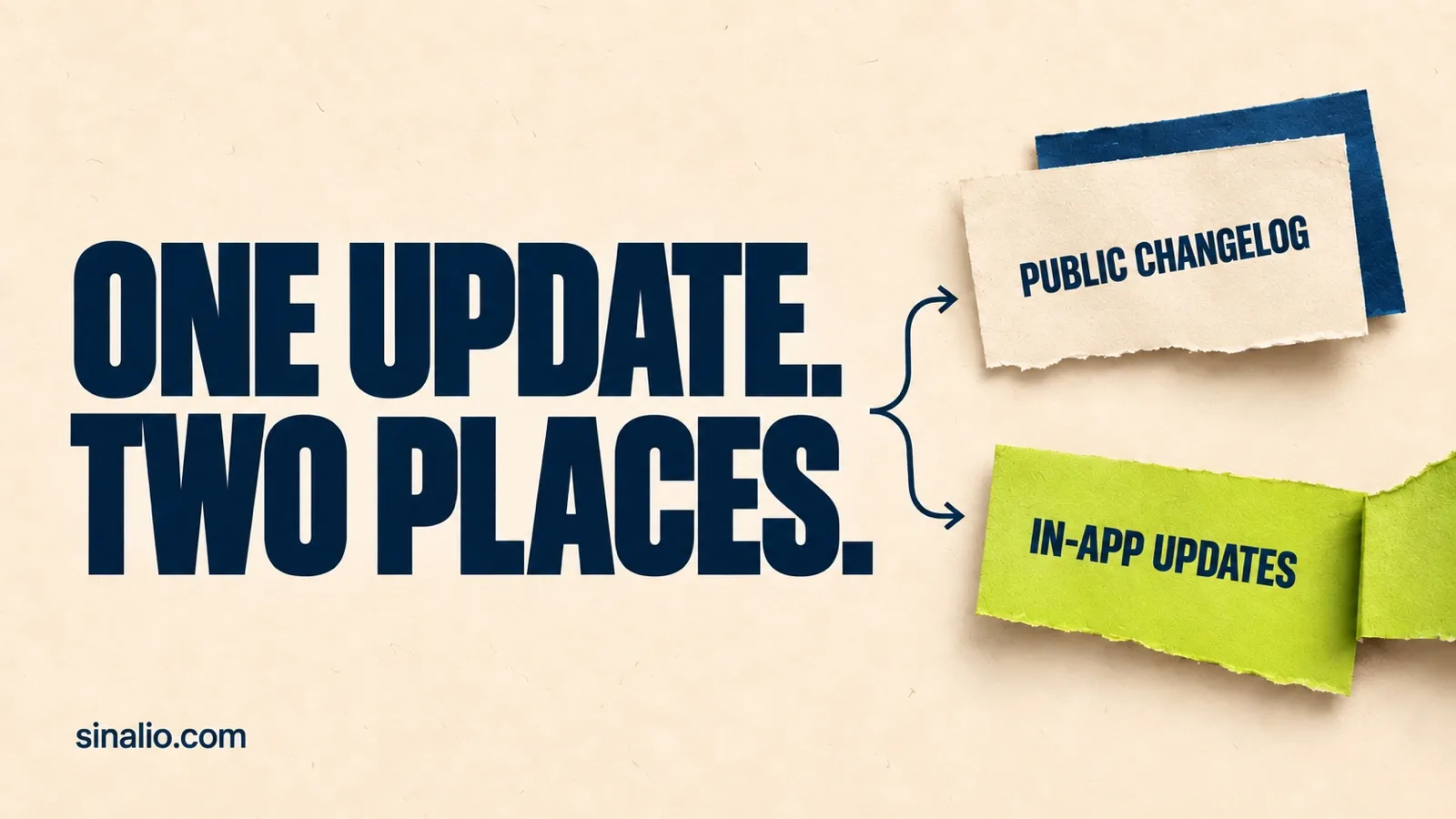
Compare a public changelog page and an in-app widget by audience, sharing, workflow, and feedback. Use a practical table and a worked SaaS example.
See why Sinalio fits a small SaaS team: contextual feedback, updates in the same widget, a separate Sandbox, and web or authorized MCP management. Learn the operating cost behind Changelogfy’s broader suite.
Build a simple product-update page and in-app entry point first. Learn what to store, how to review updates, and when a dedicated widget is worth using.
An editorial guide for turning releases into clear product updates, reviewing every version, and communicating changes inside your SaaS.
A practical process for collecting in-app feedback, preserving context, distinguishing identity, and closing the loop responsibly.
A practical guide for founders, product, support, and engineering teams that need to collect feedback and communicate changes without sending users away from the product.